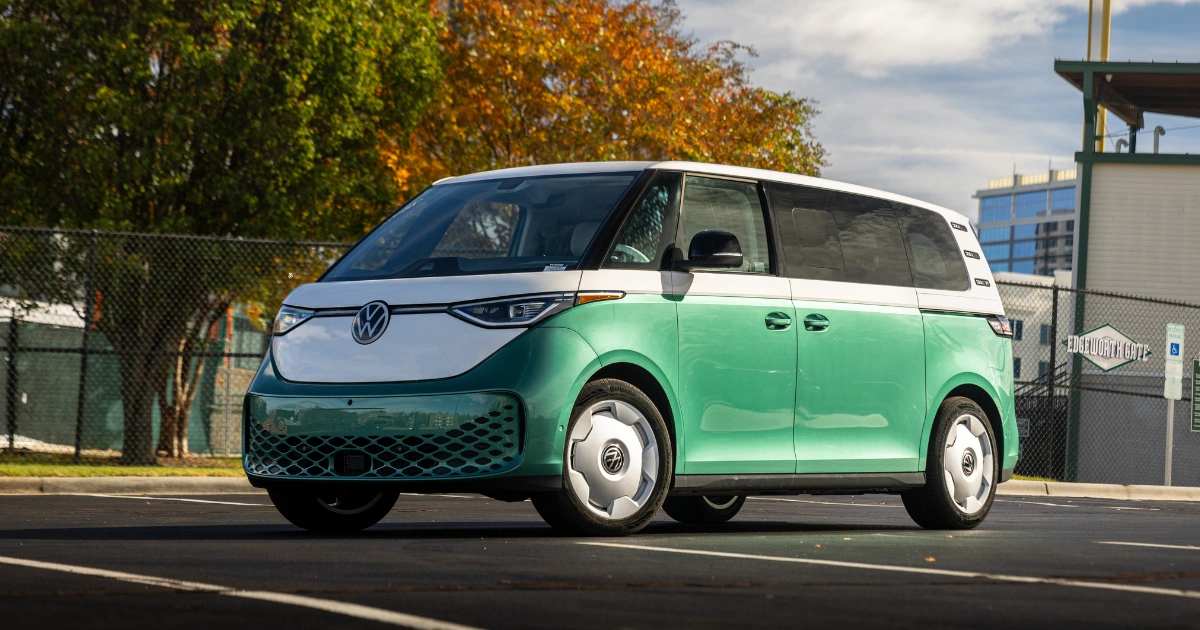
Electric vehicles (EVs) are revolutionizing urban commutes by eliminating tailpipe emissions, slashing noise pollution, and lowering daily running costs. Beyond individual cars, the broader shift encompasses integrated micro-mobility, bidirectional energy grids, and the electrification of municipal transit fleets. [1, 2, 3, 4]
1. Cleaner Air and Quieter Streets
The transition to electric mobility drastically reduces the concentration of nitrogen oxides (NOx) and toxic particulate matter in densely populated areas. Additionally, regenerative braking minimizes toxic brake dust, while acoustic vehicle alerting systems (AVAS) introduce a curated, ambient hum rather than the chaotic rumble of traditional combustion engines. [1]
2. Micro-Mobility and Public Transit Integration
Urban mobility is expanding beyond private vehicles to include electric bikes and scooters, which offer zero-emission solutions for the “first-and-last mile” of daily commuting. Furthermore, cities are accelerating the electrification of heavy-duty transit networks and municipal rideshare fleets, ensuring quieter and more sustainable public transportation. [1, 2, 3, 4, 5]
3. V2G (Vehicle-to-Grid) Technology
Commuter EVs are no longer just modes of transportation; they are evolving into flexible batteries on wheels. Through bidirectional charging, cars can store excess renewable energy from the grid during off-peak hours and discharge it back into homes or the power grid when demand peaks. [1, 2]
4. Reduced Operating Costs and Smart Infrastructure
For daily commuters, EVs consume significantly less energy per kilometer compared to conventional vehicles. To make smart mobility truly seamless, cities are expanding charging hubs, implementing AI-driven traffic controls, and building apartment charging solutions to shift EVs from a niche alternative to the baseline of urban transit. [1, 2, 3]
To explore electric mobility trends in your specific vicinity, consult local metropolitan transportation planning authorities or check guides on sustainable urban transport innovations, such as the insights shared by Calon EV and the Indian Institute of Skills Mumbai. [1, 2]






-2.png)